Feeding difficulties in children
When eating itself is hard, not just food preferences. Oral motor issues, swallowing concerns, and the ongoing challenges some children carry from infancy.






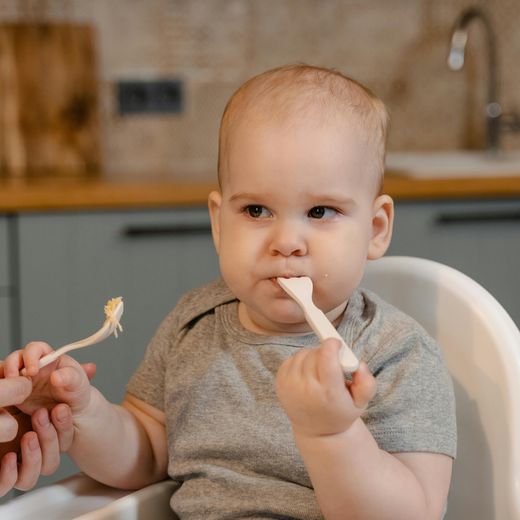




What feeding difficulties actually cover
Feeding difficulties is a broad term covering children who struggle with the physical act of eating: chewing, swallowing, managing different textures, tolerating food in or around the mouth, or experiencing pain, nausea or aversion that interferes with feeding. Some have a clear medical reason. Some don't. Either way, the impact on nutrition, growth and family life can be significant.
The children I see with feeding difficulties come from all sorts of backgrounds. Some were born prematurely and had a rocky start with feeding in NICU. Some have neurological conditions like cerebral palsy - the BSPGHAN provides specialist guidance on managing feeding in these children. Some have structural differences in the mouth or throat. Some developed feeding aversion after a choking episode or painful reflux. And some have difficulties without a clear cause - the 'why' isn't always identifiable, but the management still matters.
In my assessment, I look at the feeding history, the child's current intake, growth trajectory, any medical conditions, and what's actually happening at mealtimes. I often observe a meal or snack, because watching how a child eats tells me things that a food diary alone doesn't.
The multidisciplinary approach
Feeding difficulties rarely sit neatly in one professional's domain. I handle the nutrition piece - making sure the child is getting adequate calories, protein and micronutrients despite the feeding challenges - but other professionals bring essential expertise. Speech and language therapists assess and manage swallowing safety and oral motor skills. Occupational therapists address sensory processing and positioning. Psychologists help with feeding anxiety and trauma.
In practice, the most effective approach is coordinated. Everyone working with the child needs to be pulling in the same direction, with consistent messaging for the family. Research suggests outcomes tend to be better when the team communicates well and the family isn't getting contradictory advice from different professionals.
If your child has feeding difficulties and you're currently only seeing one type of professional, it's worth asking whether other input would help. I can advise on what's likely to be useful based on what I see in the assessment.
Texture progression and getting stuck
One of the more common presentations I see is children who've got stuck at a particular texture stage. They manage purées or very soft foods but gag, retch or refuse lumps and mixed textures. This can happen because of oral motor delay (the chewing and tongue skills haven't developed fully), sensory sensitivity, anxiety after a bad experience, or sometimes because purées were continued too long and the window for texture acceptance was missed.
Texture progression work is possible at any age, but it's generally easier the younger the child is. The approach involves gradual, systematic exposure to textures just beyond what the child currently manages, done consistently and without pressure. It's often slow - weeks to months rather than days - but many children make progress.
Cerebral palsy and feeding
Children with cerebral palsy often have feeding difficulties as a direct consequence of their motor impairment, as NHS guidance on cerebral palsy describes. Oral motor control affects chewing, swallowing, and managing different textures. Feeds can take a long time, be tiring for the child, and still not provide enough calories. Some children need texture-modified diets for safety - and working out the right texture is a collaboration between the dietitian and speech and language therapist.
Energy needs in cerebral palsy are complicated. Children with high tone (spasticity) often need more calories than expected because their muscles are constantly working. Children with low tone may need fewer. Standard calorie calculations don't work well, and condition-specific approaches are needed. Getting the energy balance right is crucial for growth, comfort and overall wellbeing.
I also see many children with CP who have gut motility issues - constipation, reflux, and delayed gastric emptying are all common. These affect feeding tolerance and need to be managed alongside the feeding plan. It's a complex picture, but one that responds well to specialist nutritional input.
Common questions
A clear plan,
built around your little one.
All consultations are online and you can self-refer directly. You'll receive a written plan after every appointment.
Thorough assessment & plan
Your first appointment is 60 minutes. It includes a full clinical and dietetic assessment, and you'll receive an agreed, written plan to take away.
Review & adjust
Follow-ups are 30 minutes. We review the plan, problem-solve anything that's come up, and adjust guidance as your child progresses.
Currently self-pay only. All fees are VAT-exempt as registered healthcare services. I provide receipts with my HCPC registration details which you can submit to your insurer.