Severe feeding refusal in infants
Not technically ARFID, that's an older-child diagnosis. But when feeding refusal is severe, narrow, and distressing in babies, it needs a specialist approach that goes well beyond typical fussy eating advice.






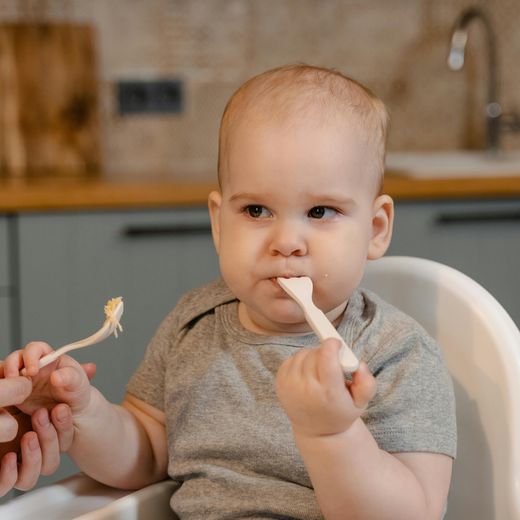




Why this is different from normal fussiness
ARFID (Avoidant Restrictive Food Intake Disorder) as a formal diagnosis is reserved for older children, typically from around age 3 upward. But the feeding patterns that eventually lead to an ARFID diagnosis don't appear from nowhere. In many cases, the early signs are visible in infancy: severe refusal across a wide range of foods, significant distress at mealtimes, a diet that narrows progressively rather than expanding, or a baby who seems fundamentally averse to the whole experience of eating.
This isn't typical fussy eating. Normal food neophobia is developmental, temporary, and doesn't compromise growth or nutrition. What I'm describing here is a different level of severity. The baby accepts very few foods, perhaps only 3 to 5 items. New foods are met with extreme distress rather than simple refusal. The diet is getting smaller over time, not bigger. And often, growth or nutritional status is being affected.
Evidence suggests that these early patterns tend to respond better to intervention when they're identified and addressed in infancy rather than left until the child is older and the patterns are deeply established.
What drives severe feeding refusal in babies
Severe feeding refusal in infants usually has identifiable drivers. Sensory processing differences are one of the most common, where the baby finds certain textures, temperatures, or flavour intensities genuinely aversive rather than simply unfamiliar. Oral motor difficulties can make eating physically harder, so the baby avoids it. Previous negative experiences with feeding, such as a period of reflux, painful swallowing, or forced feeding, can create a learned aversion that persists even after the original problem is resolved.
Medical history matters enormously. Babies who have spent time in neonatal units, particularly with tube feeding and invasive oral procedures, are at higher risk of developing feeding aversions, as recognised by BSPGHAN. Babies with undiagnosed or undertreated reflux or allergy may have learned that eating is uncomfortable and avoid it accordingly. Neurological conditions and developmental differences can also affect the sensory and motor components of feeding.
A thorough assessment looks at all of these factors. Understanding what's driving the refusal is essential for choosing the right intervention. A baby who refuses food because of sensory sensitivity needs a different approach from one who has a learned aversion from previous pain.
Assessment and early intervention
When I assess an infant with severe feeding refusal, I'm looking at several things simultaneously. What is the baby actually eating and drinking? Is it nutritionally adequate? What's the growth trajectory? What happens at mealtimes, both in terms of the baby's behaviour and the family's response? Is there a medical cause that hasn't been identified or fully treated? Are there sensory or motor factors at play?
The assessment often involves collaboration with a speech and language therapist, who can evaluate the oral motor and swallowing components, and sometimes an occupational therapist for sensory processing assessment, all HCPC-registered professionals. As a dietitian, I focus on nutritional adequacy, growth, and the feeding environment. Together, we build a picture of what's happening and why.
Early intervention for severe feeding refusal typically involves a combination of approaches: addressing any underlying medical issues, gradual and pressure-free food exposure, sensory desensitisation where needed, parental support and coaching around mealtimes, and nutritional supplementation to ensure the baby's needs are met while we work on expanding the diet. The goal is to make eating a safe, positive experience rather than a source of distress.
Supporting nutrition while working on acceptance
One of my primary concerns with severe feeding refusal is ensuring that the baby's nutritional needs are being met while we work on expanding what they'll accept. This might mean optimising the nutritional density of the foods they do accept, using supplements where there are specific gaps, continuing or increasing milk feeds if solid food intake is very limited, or in more severe cases, considering supplementary tube feeding.
It's a balance. Pressure to eat is associated with worsening aversions, while significant nutritional gaps left unaddressed can affect growth and development. A dietetic assessment helps navigate this balance by quantifying what the baby is actually getting, identifying what's missing, and finding practical ways to fill the gaps without making mealtimes more pressured.
I also work with parents on managing their own anxiety around feeding, because parental stress at mealtimes, entirely understandable though it is, can inadvertently increase the pressure the baby feels and make refusal worse. Supporting the parents is part of supporting the baby.
The outlook for severe infant feeding refusal
The outlook depends on the underlying cause, the severity, and when intervention starts. Many infants with severe feeding refusal improve significantly with the right support. Those whose refusal is driven by an identifiable medical condition like reflux or allergy often improve once the underlying issue is addressed. Those with sensory-based refusal typically make gradual progress with consistent, pressure-free exposure and desensitisation.
Early intervention is generally associated with better outcomes in the available research. Feeding patterns tend to be more adaptable in infancy than in later childhood, which is one reason early support can be helpful. If your baby's eating feels extreme rather than just fussy, if mealtimes are a battleground, or if you're worried about growth or nutrition, a specialist assessment is a reasonable next step.
Common questions
A clear plan,
built around your little one.
All consultations are online and you can self-refer directly. You'll receive a written plan after every appointment.
Thorough assessment & plan
Your first appointment is 60 minutes. It includes a full clinical and dietetic assessment, and you'll receive an agreed, written plan to take away.
Review & adjust
Follow-ups are 30 minutes. We review the plan, problem-solve anything that's come up, and adjust guidance as your child progresses.
Currently self-pay only. All fees are VAT-exempt as registered healthcare services. I provide receipts with my HCPC registration details which you can submit to your insurer.